

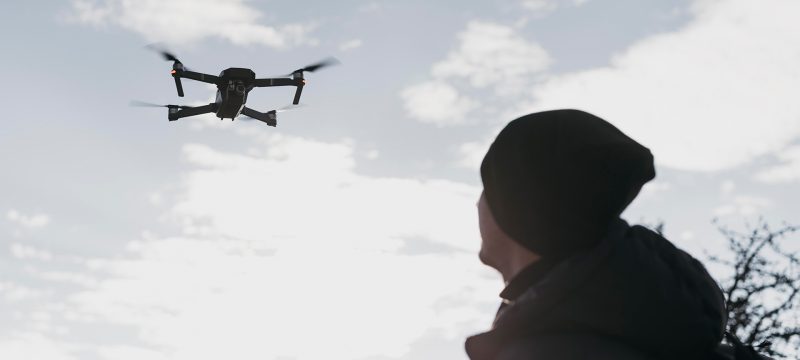
In 2026, the standard for property maintenance has moved from the ladder to the laptop. Virtual and drone property inspections have fundamentally changed how we evaluate buildings, offering a level of speed and safety that traditional methods simply cannot match.
The most immediate benefit is the elimination of physical risk. By using drones to inspect high roofs, cooling towers, and precarious facades, inspectors stay safely on the ground. This transition doesn’t just protect personnel; it slashes the time required for a survey. What used to take a full crew several days with scaffolding can now be completed in a matter of hours by a single pilot.
Beyond the convenience, the technology provides a depth of data the human eye often misses. High-resolution cameras and thermal sensors can identify hidden moisture traps, heat leaks, and structural hairline cracks before they evolve into costly disasters. These findings are then compiled into immersive virtual reports, allowing property managers and stakeholders to remotely “walk through” the problem areas from anywhere in the world.
For large commercial assets, the biggest saving isn’t the labor—it’s avoiding “downtime.” Inspecting a facility while it’s still running can save tens of thousands of dollars in lost productivity.

By integrating AI-driven analysis with these aerial views, property owners are moving toward a model of predictive maintenance. Instead of reacting to a leak or a failure, they can monitor wear and tear with mathematical precision. In a market where efficiency is everything, virtual and drone inspections are the ultimate tools for protecting both the asset and the bottom line.
Leave a Comment